
Accessible digital communication is the foundation of every relationship we have. When you are visiting a website, reading an email or completing an online form, every piece of information leaves an impression. If information is even slightly different between them, people doubt the information. When people can easily understand your message, they feel confident that your organisation knows what it is doing and that they can trust the information they are receiving.
I believe that communication isn’t successful because you’ve sent the message. It is only successful when the other person understands it. If people are left confused, doubting themselves or wondering whether the information is correct, then the communication has failed, no matter how much effort went into creating it.

Trust grows through small, everyday interactions. Every document, whether it is an email, a webpage or an online form, either strengthens confidence or weakens it. Most people don’t think about that because they assume the information they receive is correct.
Since losing my sight, I’ve realised how much trust we place in digital communication. Most people never think twice about the information on a ticket, a website or an email because they assume it is correct. I used to do the same. Now I know that one small inconsistency can change someone’s confidence completely.
I learnt that lesson while travelling to a summit on the Gold Coast. My ticket listed both a venue name and an address, but they didn’t match. The taxi driver first followed the venue name, but when we checked it against the address, he realised the address belonged to a different location and took me there instead.
As someone who is blind, I couldn’t simply look around and work out which location was correct. I was standing there wondering whether I was in the right place, whether the map was wrong or whether the ticket contained the incorrect address. My anxiety quickly grew because I didn’t know which piece of information I could trust.
Thankfully, I was able to contact the event organiser. She gave me the correct address and I arrived safely. Looking back, it wasn’t the incorrect address that affected me the most. It was the uncertainty. The moment I stopped trusting the information, the whole experience became stressful.
That one experience changed the way I travel. Today, I double-check every ticket I receive. If something doesn’t look right, I send an email to confirm the address, and I often ask someone with sight to verify the venue details before I leave home.
It also changed the way I think about communication. I realised that once someone loses confidence in your information, they start questioning everything you tell them. Rebuilding that trust takes far longer than getting it right the first time.

Most mistakes are not made on purpose. They happen because nobody has checked how the same information appears across each place it is published.
When the details line up, people don’t have to stop and work out which version is correct. They can simply get on with what they need to do. That confidence is what allows trust to grow naturally.
People don’t lose trust because of one big mistake. More often, they lose trust through lots of small inconsistencies. Each one may seem insignificant on its own, but together they create doubt, and doubt changes the way people interact with your organisation.

Many people think accessibility is only about disability. I don’t.
To me, accessibility is about making sure nobody is left guessing. It is about giving people confidence that they have understood the information correctly and that they can make decisions without unnecessary stress or uncertainty.
When I’m left guessing, I lose confidence. Once I lose confidence, I start questioning everything else I’m being told. Over the years, I’ve realised that many people respond in exactly the same way, whether they have a disability or not.
That applies to everyone. Whether someone has a disability, speaks English as a second language, is tired after a long day or is simply trying to complete a task quickly, clear communication helps people move forward with confidence.
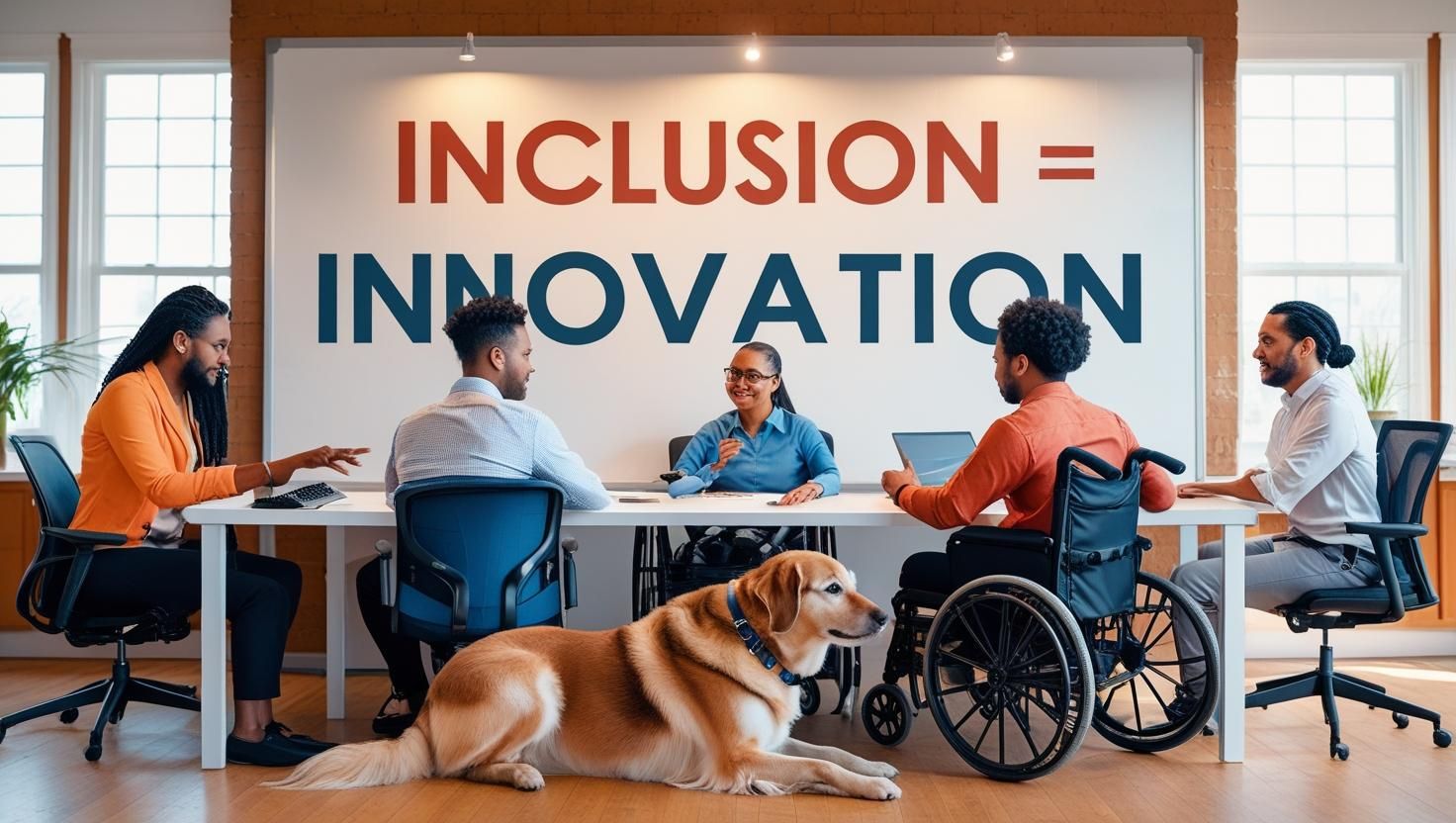
One of the quickest ways to lose trust is when the message is different on different documents. If your website says one thing, your email says another and your other documents tell a different story, people naturally wonder which version they should believe.
Once people lose confidence, they start checking everything. They hesitate before making decisions, contact your staff for clarification or ask someone else to confirm they have understood correctly. Those extra steps take time, create frustration and slowly weaken the relationship between your organisation and the people it serves.
The opposite is also true. When every digital document tells the same story, confidence grows naturally. People stop second-guessing themselves because they know your information is reliable.
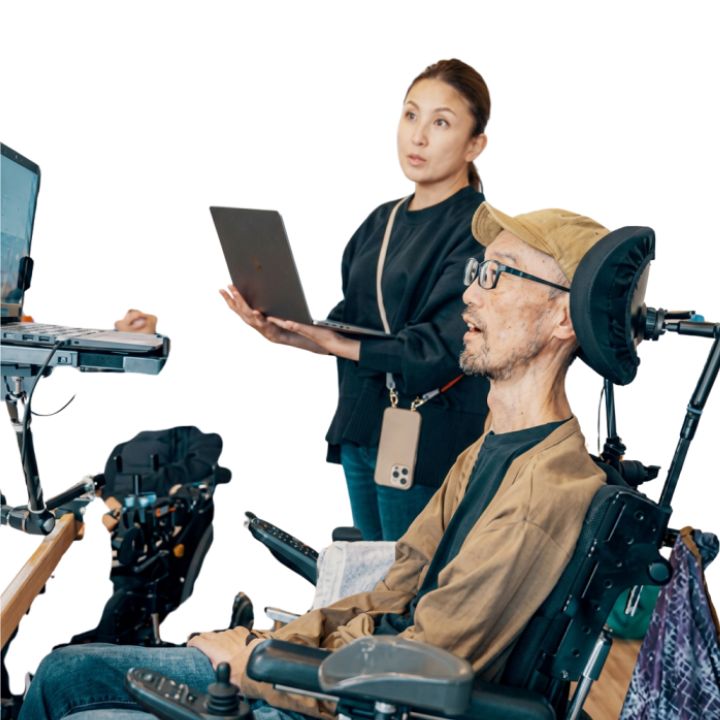
I think too many organisations focus on how much information they have put out there. To me, that is not the real test. The real test is whether people understood it and felt confident enough to do what they needed to do.
Good digital communication is not just about compliance or meeting a technical standard. It is about people being able to understand what you mean, feel respected, and feel included. If people can trust the way you communicate, they are much more likely to trust your organisation.

People may not remember the exact words they read on a website, in an email or in a form. They do remember whether it was easy to follow, whether they had to chase more details, or whether they were left unsure about what to do next.
That is why the small things matter. A clear address, consistent instructions and plain wording can make a big difference to the person trying to use the information. If those things are wrong or unclear, the impact does not end when the page is closed.
For DASAT, this is the reason clear, accessible communication matters. It helps people get the information they need without having to question every step. That is better for the person using the service, and it is better for the organisation providing it.
Hear Allan Parker OAM on The Digital Access Show to discuss good digital communication.
If you’d like to improve trust through better digital communication, contact DASAT to discuss your organisation.