
Disability Fatigue and Sensory Overload:


Person with megaphone talking to people with disability fatigue.

Disability fatigue is real. It is not just feeling tired after a long day. It is deep mental and physical exhaustion that builds up from working harder than most people realise. For many people with sensory issues, especially those who have lost one sense, who are autistic, or have other disabilities that require intense concentration to complete their tasks, this fatigue is part of daily life.

For many people across a wide range of disabilities, concentration is not automatic. It takes a lot more effort to follow a conversation, read information, move safely through a busy space, process sounds, or manage bright lights and strong smells. This is common in sensory disabilities such as vision and hearing impairment, autism, neurological conditions, ADHD, chronic illness, and many other lived experiences. When someone has to focus this hard just to get through everyday tasks, their brain and body are working at a very high level from the start of the day. That constant effort can quickly lead to sensory overload, mental strain, and extreme tiredness. Simple tasks can feel overwhelming, and without proper support or accessible design, stress and burnout can follow.

Drawings of people with different disabilities. The theme is disability inclusion.

What Is
Disability Fatigue?
Disability fatigue is ongoing exhaustion caused by the extra work of living in a world that is not designed for your needs. It is common for people with sensory disabilities, autistic people, and those with other types of disability.

Examples of disability fatigue include:

  • A person with severe hearing loss spending hours lip reading or using hearing aids.
  • A person who is blind relying heavily on sound and touch to move safely.
  • Someone with low vision straining their eyes to read screens or signs.
  • An autistic person constantly filtering noise, light, smells, and social cues.
  • People with chronic illness, neurological conditions, ADHD, or autoimmune disorders expending extra energy managing symptoms.
  • Those with physical disabilities or mobility impairments navigating spaces that are not fully accessible.
  • Intellectual or mental health challenges increasing mental load.

This constant effort drains energy. It affects concentration, memory, mood, and physical health. It is not weakness. It is the cost of navigating environments that are not accessible or inclusive.

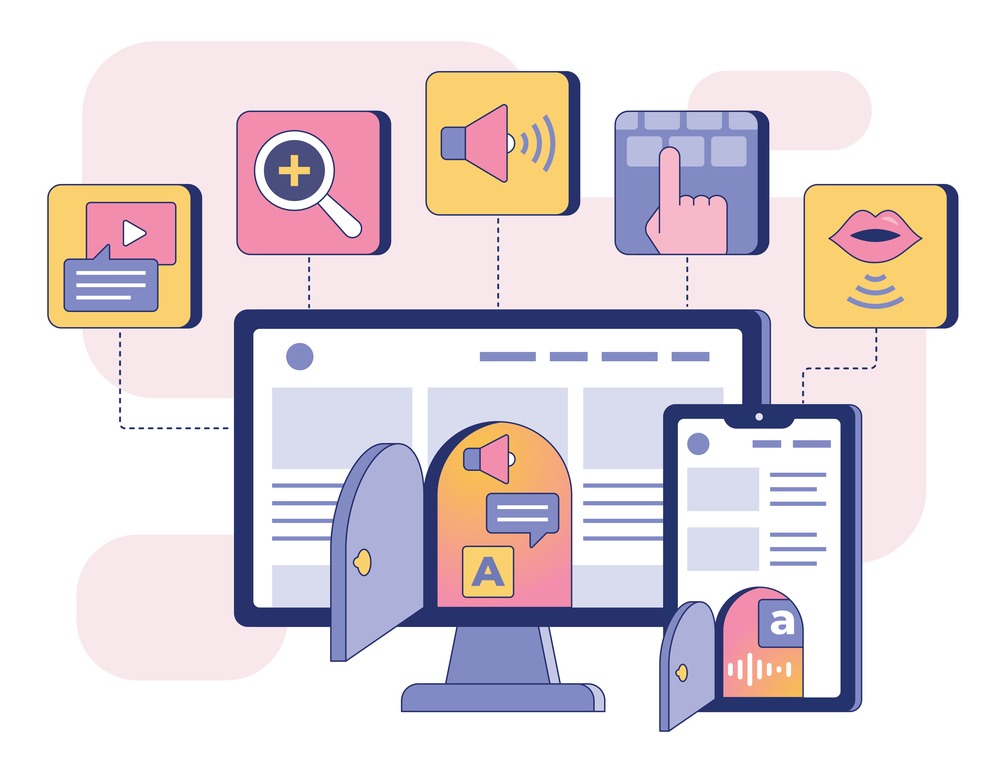
This colourful flat illustration depicts digital accessibility, a design of technology products or environments .

Losing One Sense Changes Brain Function
When someone loses a sense, the brain adapts. Other senses may become sharper, but that does not make life easier. The brain is still working harder.

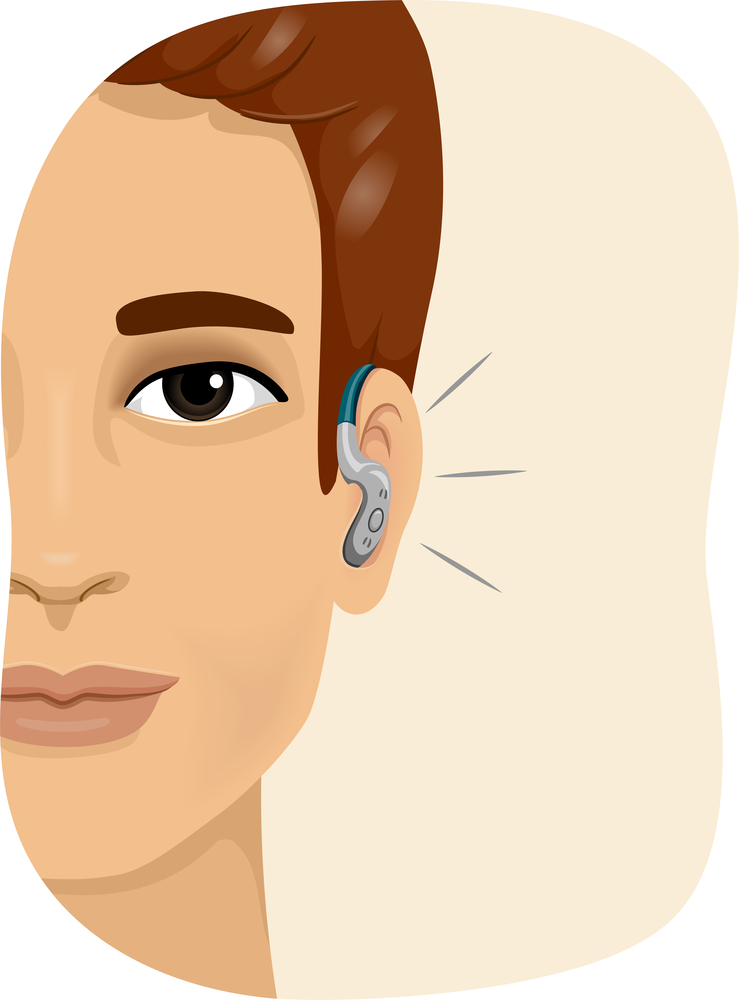
Illustration of a Smiling Man Wearing a Hearing Aid

Severe Hearing Impairment and Listening Fatigue

A person with severe hearing loss may use hearing aids, cochlear implants, or lip reading. These tools help, but they do not restore natural hearing. They require constant mental effort.

Imagine sitting in a busy café. You are trying to follow a conversation. You miss parts of words. You fill in gaps. You watch faces closely. You guess what was said. Now imagine doing that all day at work.

This is listening fatigue. Background noise and unclear sound make the brain work overtime, leaving people drained at the end of the day.
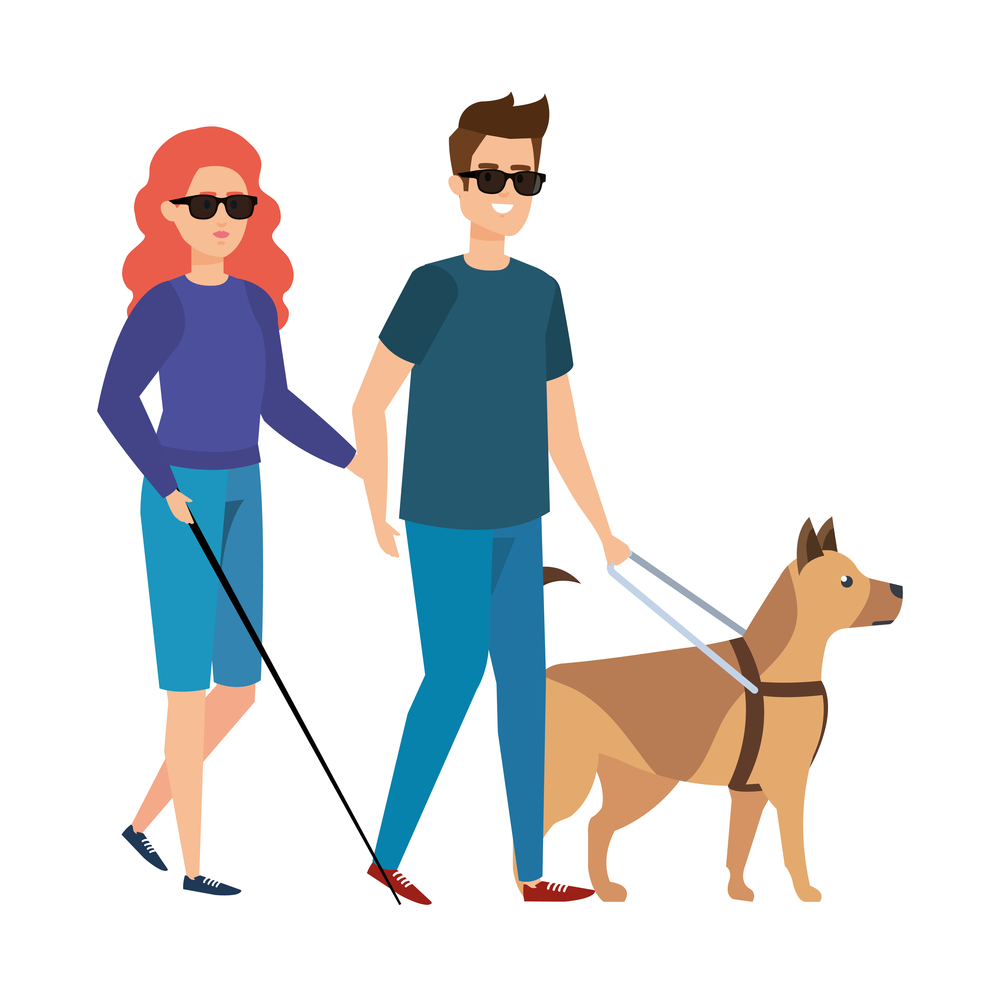
 

Photo of a blind woman using a cane and a blind man using a guide dog.

Vision Impairment and Sound Overload
For a person who is blind or has low vision, the digital environment is central to daily life. Screen readers, text to speech tools, and audio alerts turn written content into sound. Emails, websites, online forms, banking, work systems, and social media are all accessed through listening. Imagine having to listen to every single email instead of scanning it visually. Imagine needing to check whether each website or document is accessible before you can even begin the task. That level of attention takes time and strong concentration. When digital content is poorly designed, missing headings, unclear links, or unlabelled buttons increase the mental load and add to disability fatigue.

Even in the physical environment, digital tools are still essential. A person with vision impairment may use GPS apps, transport apps, smart watches, or object recognition tools to move safely through streets, buildings, and public spaces. While sound also helps with crossing roads and locating doors, digital technology often guides the process. At the same time, busy spaces such as shopping centres, traffic, and crowded events create layers of background noise. The brain must separate important audio information from distractions while also processing digital instructions. This constant filtering of sound, both online and in the physical world, can quickly lead to sensory overload and deep mental exhaustion.

Recovery time is often needed after loud or chaotic settings.


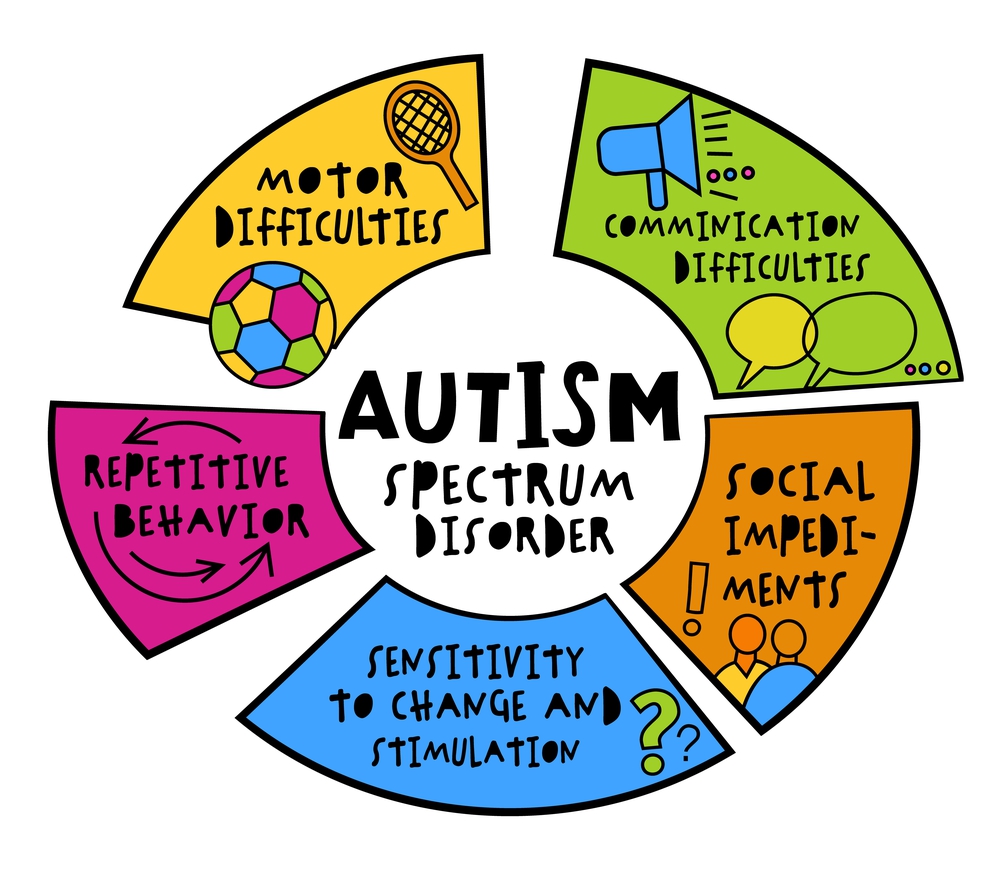
Autism spectrum disorder. Words in the middle are Autism Spectrum Disorder. Around the outsidse is Motor Difficulties, Repetitive Behaviour, sensitivity to change and stimulation and social implements

Autism and Sensory Overload

For many autistic people, the digital environment can be just as overwhelming as the physical world. Bright screens, flashing content, pop up notifications, auto playing videos, cluttered layouts, and constant alerts can quickly overload the senses. Online meetings with multiple faces, chat streams, and background noise require intense focus to process social cues and spoken words at the same time. Reading between the lines in emails or messages can also take extra mental effort. When websites are poorly structured or packed with visual clutter, the brain must work harder to filter what matters. This ongoing processing can build into digital sensory overload and lead to real fatigue.

The physical environment can add to this, such as harsh lighting or noisy spaces, but even there digital tools are often involved. Phones, tablets, interactive screens, and workplace systems are part of daily life. When both digital and physical inputs compete for attention, the cognitive load increases. Without thoughtful, inclusive design, the result can be stress, shutdown, or burnout.

The Aspect Autism Spectrum Australia website (https://www.autismspectrum.org.au) explains that sensory differences are a core part of the autistic experience.

Sensory overload can cause:

  • Extreme tiredness
  • Meltdowns or shutdowns
  • Headaches
  • Nausea
  • Irritability
  • Anxiety

Autistic people also experience social fatigue. Reading facial expressions, tone of voice, and body language takes effort. Masking adds even more exhaustion and can lead to autistic burnout.

Emblems of people with disability and normal peo0le.

Other Disabilities That Often Cause Fatigue

Disability fatigue is not limited to sensory or autistic conditions. Other groups affected include:

  • Chronic illness: Multiple sclerosis, lupus, fibromyalgia, and chronic fatigue syndrome cause constant exhaustion.
  • Physical disability: Navigating inaccessible spaces uses extra energy.
  • Neurological conditions: Parkinson disease, stroke, or brain injury require more effort to manage movement and cognition.
  • ADHD: Mental fatigue comes from constant focus, self-regulation, and masking.
  • Intellectual disability: Processing complex information increases mental effort.
  • Mental health conditions: Depression, anxiety, and PTSD create emotional and cognitive fatigue.
  • Autoimmune disorders: Chronic inflammation and flare-ups add physical and mental strain.

Across all these disabilities, the common factor is extra effort. The ongoing energy drain is what makes disability fatigue so challenging.

A photo of a girl with noisy girls behind her

Emotional Impact?

Disability fatigue is not only physical. It is emotional.

Many people feel pressure to push through. They may not want to ask for adjustments or worry about being seen as difficult.

It is tiring to explain needs repeatedly, correct misunderstandings, or pretend to cope. Fatigue reduces patience, confidence, and mental health.

Inclusive design matters. At DASAT, inclusion is built in from the start, not added later. Learn more at DASAT Inclusion and DASAT Accessible Design.

While sensory differences and disabilities cannot be removed, environments can be improved.

  1. Improve Accessibility
  • Ensure that all digital documents are meeting the Digital Accessibility Standard.
  • Use captions in meetings and videos
  • Provide written information in advance
  • Reduce background noise
  • Offer quiet rooms
  • Use softer lighting where possible
  1. Build in Recovery Time
  • Allow breaks during long meetings or busy events. Schedule quieter days after high-stimulation activities.
  1. Support Sensory Needs
  • Noise cancelling headphones, sunglasses, sensory tools, and clear signage help manage input.

Respect Boundaries

If someone leaves early, declines an invitation, or needs time alone, respect it. It is often about energy, not attitude.

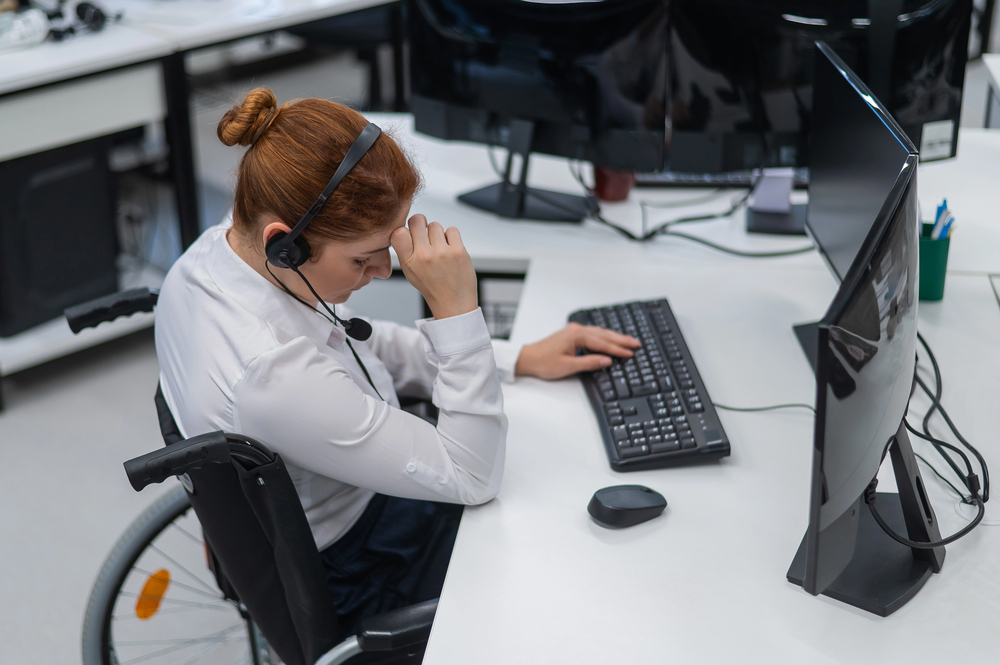
Man in Wheelchair sitting at a desk and trying to use a computerWhy Disability Fatigue Matters

Disability fatigue and sensory overload are often invisible. From the outside, a person may look fine. Inside, they may be using all their energy just to cope.

When someone has lost a sense, the brain compensates. When someone is autistic, the brain may process the world more intensely. People with other disabilities expend extra energy moving, thinking, or regulating emotions.

If workplaces, schools, websites, and public spaces are designed to be calmer, clearer, and more inclusive, we reduce this burden. Accessibility is about protecting energy, dignity, and mental health.

What would change if every space was designed with sensory safety in mind from the start?