
When we talk about building stronger communities, we often focus on infrastructure, housing, transport, economic growth and public services. These are all important, but there is another issue that affects how people connect with their community, and it often goes unnoticed.
That issue is access to information.
As someone with a severe vision impairment, I know firsthand how important accessible information is. I rely on screen reader technology to read websites, documents, forms and other digital content. When information is accessible, I can participate independently in everyday life. When it isn’t, something much bigger than accessibility is affected.
Trust is affected.
Trust is the foundation of every strong relationship. It shapes how people feel about organisations, services and government agencies. It also plays a significant role in how connected people feel to their community. When people can access information easily and independently, trust grows. When they can’t, trust begins to erode.
This is particularly important for local government because councils play such a significant role in people’s lives. Whether it is community consultation, emergency information, rates notices, local events or public services, people need access to information to participate in their community.
If they can’t access that information, they can’t fully participate.
In the latest episode of The Digital Access Show, Tiffany Ashdown, mayoral candidate for Hobart, discusses the ways that ensuring digital accessibility can make the difference to local government.

Governments at all levels have invested significant effort into improving digital accessibility, and that progress should be recognised.
However, there are still major gaps between accessibility policies and the real experiences of people accessing government services.
One of the most common barriers I encounter is the use of image-based PDFs. An image-based PDF is essentially a scanned image of a document rather than a document containing readable text. While the document may appear perfectly normal to someone viewing it on a screen, assistive technology often cannot access the information because it only detects an image.
I’ve lost count of the number of times I’ve received information that technically existed but wasn’t actually available to me.
The document exists.
The information exists.
The intention to communicate exists.
But access does not.
The same challenges occur when websites cannot be navigated using a keyboard, online forms are not designed correctly, or letters and notices arrive in text that is difficult to read because the font size is too small.
These issues are often viewed as technical problems. It is how we use the technology that is the difference. Therefore, in reality, they are people problems.

One aspect of accessibility that is rarely discussed is the emotional impact.
Most conversations focus on technical barriers, but the way those barriers make people feel is equally important.
Imagine receiving an important letter from a government department and being unable to read it independently.
Imagine trying to access information about your rates, local services, community events or support programs and discovering that the website doesn’t work with the technology you rely on.
Imagine knowing the information is available but having to ask someone else to help you access it.
That experience creates frustration.
It creates anxiety.
For many people, it creates a sense of exclusion.
The barrier is not simply the document or website. The barrier becomes the feeling that your needs were not considered in the first place.
I don’t spend my day thinking about accessibility. I spend my day trying to get things done like everyone else. It’s only when a website won’t work, a document isn’t readable, or a form can’t be completed that accessibility suddenly becomes the issue.
Over time, these experiences affect confidence, independence and trust.

Accessibility is about more than whether a website meets technical standards.
The language we use matters just as much.
Government information is often written in a way that assumes people already understand the subject matter. Long sentences, technical language and government terminology can make important information difficult to understand.
Even when information is technically accessible, it can still be inaccessible if people cannot make sense of it.
Plain language helps people understand information more easily, make informed decisions and engage with greater confidence.
Accessible communication should not only be available.
It should also be understandable.
If people cannot understand information, they cannot fully participate.

One of the strongest communities I can imagine is one where everyone can participate equally.
That means people can find information independently, engage with public services confidently and contribute their voices to local conversations.
Accessibility supports all of those things.
When councils and government organisations make accessibility a priority, they send a clear message to the community.
They are saying, “We want everyone to participate.”
They are saying, “Your voice matters.”
They are saying, “You belong here.”
Those messages build trust far more effectively than any marketing campaign ever could.
Trust is not built by telling people they matter.
Trust is built by making sure they can access the information they need.
I recently spoke with a Hobart mayoral candidate who believes digital accessibility should be a greater priority for local government.
What stood out to me was that the conversation wasn’t really about technology.
It was about inclusion.
It was about ensuring that every member of the community can access information, participate in decision-making and engage with the services that affect their daily lives.
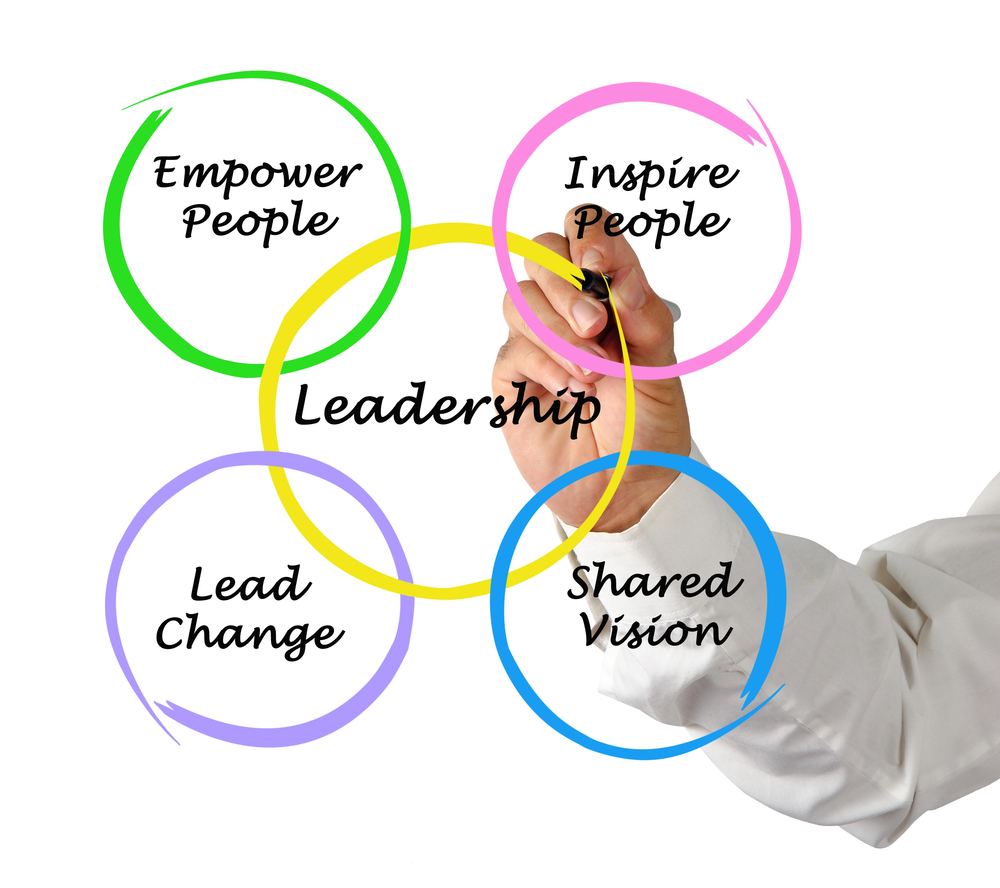
That is the kind of leadership that strengthens communities.
What frustrates me most is that many of the barriers people encounter are completely avoidable. They are not caused by a lack of technology. More often, they occur because accessibility was not considered until after the information was published.
Accessibility works best when it is planned from the beginning.
Not as an extra.
Not as a compliance exercise.
Not as something to fix later.
But as a normal part of communicating with the community.
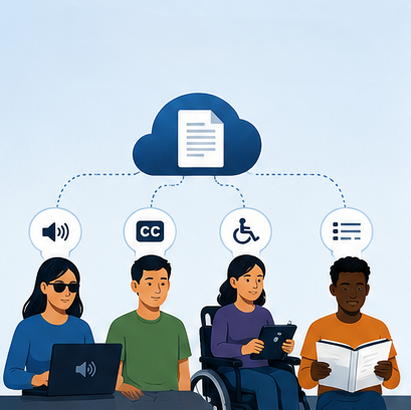
Accessibility is not simply about websites, PDFs or technical standards.
It is about people.
It is about independence.
It is about ensuring that everyone can access and understand information regardless of how it is delivered.
Most importantly, it is about trust.
Because when people cannot access information, they don’t just lose access to content.
They lose confidence.
They lose independence.
And sometimes they lose trust in the organisations that are meant to serve them.
Accessibility is often viewed as a technical requirement, but for many people it is much more personal than that. It affects independence, confidence and the ability to participate in community life. When people can access information, trust grows. When they can’t, trust is lost.
If we want stronger communities, stronger relationships and greater participation, accessibility cannot be an afterthought.
Trust begins with access.
And access begins with accessibility.