“You Don’t Look Disabled” and the Hidden Cost of Silence
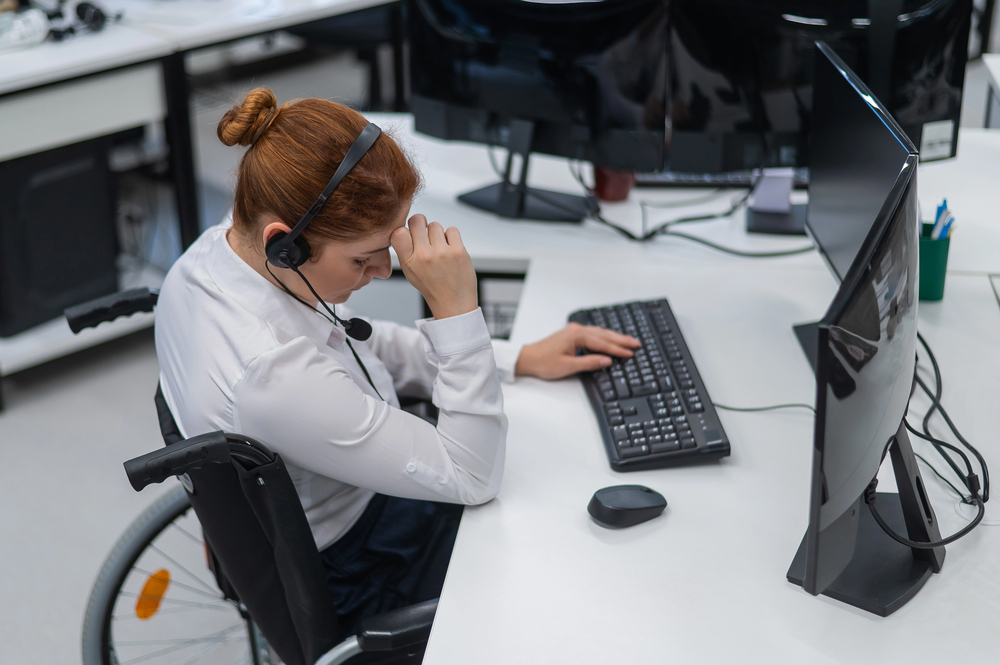
Navigating ableism is tiring. Ableism is a form of discrimination that is not well understood in Australia. It is found in workplaces, schools, health care, and online spaces. People with disability experience it every dy. Sometimes it is obvious. Other times it hides behind comments like, “You don’t look disabled.”
If we want a fair and inclusive society, we need to talk honestly about ableism, why so many people with disabilities stay silent, and why disabled people should not be expected to give away free labour because they are disabled.
Discrimination against people with disability is common in Australia. The law offers protection through the Disability Discrimination Act 1992, but legal protection does not always mean real inclusion.
Why?

What Is Ableism?
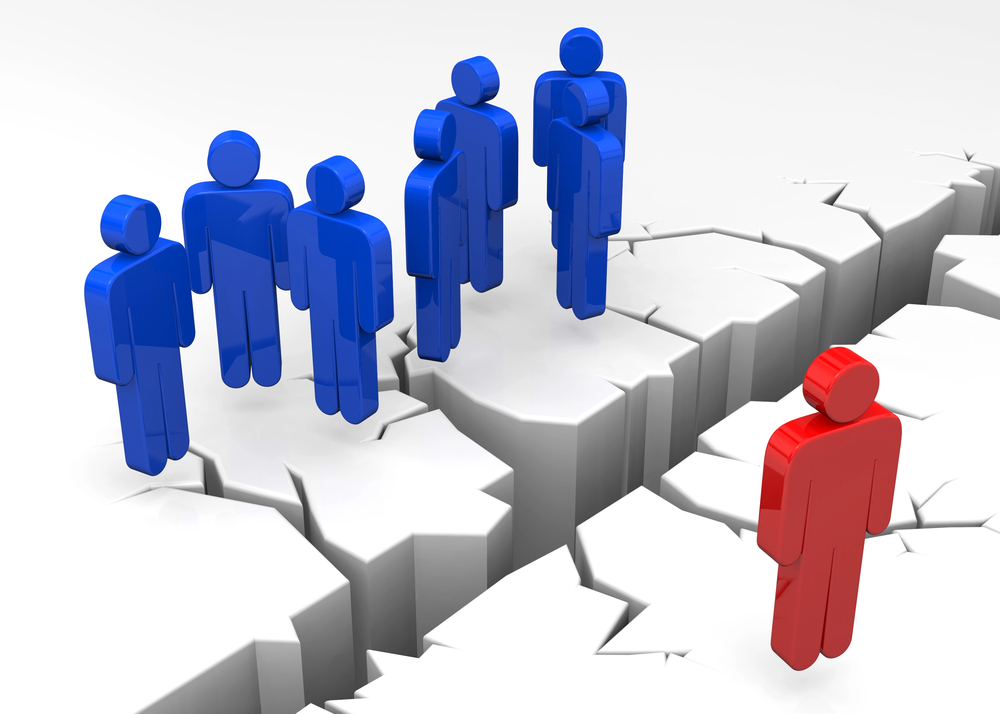
Kelsey Chapman, Angel Dixon, Elizabeth Kendall and Katie Kendall in the paper, Ableism and Disablism define ableism as “discrimination that favours “able-bodied” people, or people without disability. Ableism prioritises the needs of people without disability.” It is based on the idea that non disabled people are the “normal” standard.
Ableism can be:
- Buildings without ramps or lifts.
- Websites that have functions that can only be accessed using a mouse.
- Employers who assume disabled workers are less capable.
- Comments that dismiss someone’s lived experience/
- People who talk to the “normal” person who is with the “disabled” person.
It also includes attitudes that treat disability as something to “fix” rather than a natural part of human diversity.
For more on digital barriers and how to prevent them, you can explore our guide to inclusive communication on DASAT.com.au and review the Web Content Accessibility Guidelines.
These resources show how practical accessibility steps reduce exclusion before it happens.

“You Don’t Look Disabled”
This comment sounds harmless. However, it can hurt a person badly.
It was a common occurrence for me when I still had some sight to hear this phrase. I still get constantly told, even when walking with my guide dog, that I walk too confidently to have a vision impairment. One particular day, I was making my way to work using my long cane (a mobility tool used by people with severe vision impairment) when I was accosted by two people who used that phrase. It not only hurt. It meant that I had to stop, work out where I was. My concentration was broken. I was lost for a few minutes. And my disability is visible to others due to the tools that I use.
Many disabilities are invisible. Chronic illness, neurological conditions, mental health conditions, autoimmune disorders, hearing loss, and learning disabilities are not always obvious. When someone says, “You don’t look disabled,” they are not just questioning the person’s reality. They are questioning the person’s honesty and values.
It sends a message that disability must look a certain way. Or a person must walk a certain way. Or behave a certain way.
The truth is simple. There is no single way to “look disabled.” Disability is not defined by appearance or behaviour. It is defined by the interaction between a person and barriers in society.
When someone shares that they are disabled, listen. Don’t judge. Don’t doubt.
Why Many Disabled People Stay Silent
Silence is often about survival.
Many disabled people choose not to disclose their disability because of:
- Fear of losing their job
- Fear of being treated differently
- Fear of being seen as a burden
- Past experiences of discrimination
In workplaces, disclosure can feel risky. Even though the Disability Discrimination Act 1992 protects workers, people still worry about subtle bias. Promotions can disappear. Opportunities can shrink. Attitudes can change.
Silence can also come from exhaustion. Constantly explaining access needs takes energy. Correcting assumptions takes energy. Educating others takes energy.
Sometimes staying quiet feels safer than fighting every battle.
But silence comes at a cost. It can increase stress. It can prevent people from getting adjustments that would help them thrive. It can reinforce the idea that disability should be hidden.
The Hidden Expectation of Free Labour
One of the most overlooked forms of ableism is the expectation that disabled people will educate everyone else for free.
This shows up in comments like:
- “Can you explain accessibility to our team?”
- “Can you review our website and tell us what is wrong?”
- “Can you share your story for our awareness campaign?”
Lived experience is valuable. It is expertise. But expertise deserves payment.
Disabled people should not be expected to volunteer their time and emotional labour to fix systems they did not design.
Organisations often spend money on consultants, marketing agencies, and legal advice. Accessibility expertise should be treated the same way. When disabled people are asked to consult, they should be paid fairly.
If your organisation wants to improve accessibility, budget for it. Build it into strategy. Do not rely on goodwill alone.
You can read more about inclusive employment and accessibility standards through the Job Access website, which provides guidance on workplace adjustments and employer responsibilities.
Moving From Awareness to Action
Navigating ableism is not just about calling out bad behaviour. It is about changing systems.
Here are practical steps individuals and organisations can take:
- Believe People: If someone says they are disabled, believe them. Do not ask for proof unless it is legally required for formal adjustments.
- Pay for Expertise: If you ask disabled people to train staff, review materials, or speak at events, pay them. Respect their time and knowledge.
- Build Accessibility from the Start: Do not wait for complaints. Make accessibility part of design, recruitment, communication, and procurement.
- Review Policies: Check whether your policies align with the Disability Discrimination Act 1992 and current accessibility standards.
- Create Safe Disclosure Pathways: Employees should feel safe to disclose disability without fear of backlash.
Why This Conversation Matters
Disability is common. It can be permanent, temporary or situational. It is part of the human experience. Many people will experience disability at some point in their lives, whether temporary or permanent.
When we dismiss invisible disability, expect free labour, or create unsafe environments for disclosure, we reinforce ableism.
When we listen, pay fairly, and design access from the start, we build equity.
The goal is not sympathy. The goal is respect.
Ableism thrives in silence. Inclusion grows when people speak up and systems change.
The question is not whether disability belongs in the conversation. It already does.
The real question is this: are we willing to move from awareness to real action?