5 Proven Tips to Drive Real Accessibility Change


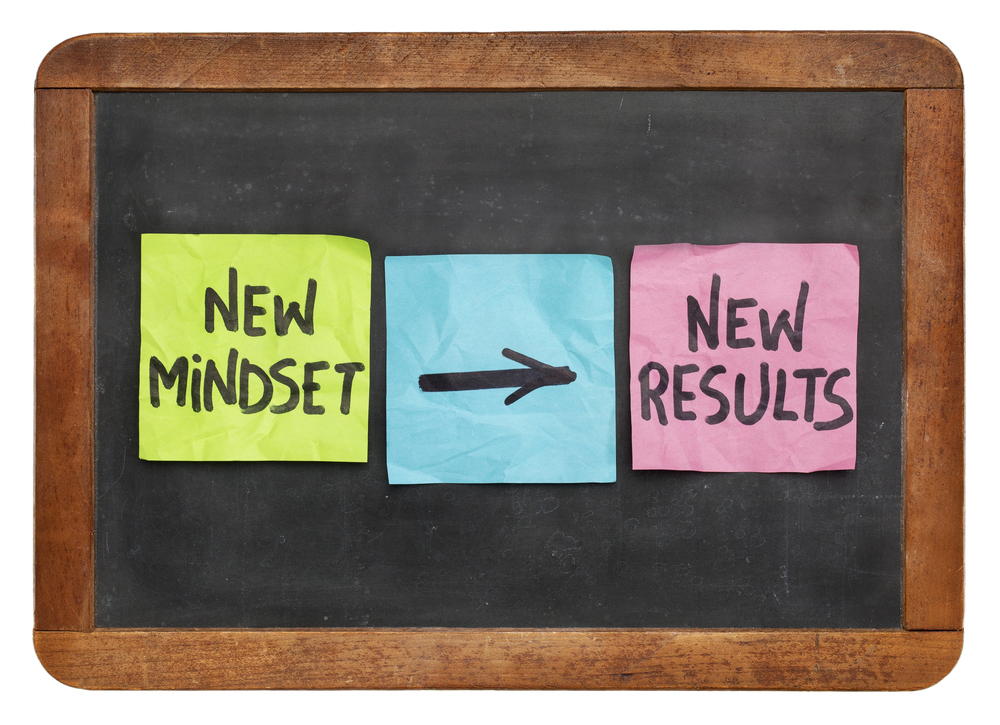
Three sticky notes are on a blackboard. The first sticky note reads, New Mindset. The second sticky note has an arrow pointing to the third sticky note which reads new results.

Practical mindset shifts that support accessible digital, physical, and communication experiences.

Culture change doesn’t begin with policies or standards.
It begins with how people think.

If we want lasting change in digital accessibility, physical access, and inclusive communication, we must first shift the way of thinking that shapes everyday decisions. Without that shift, accessibility stays reactive, inconsistent, and easy to deprioritise.

What are the mindset changes required to create a genuine accessibility culture change, and how does understanding human thinking and communication play a key role?


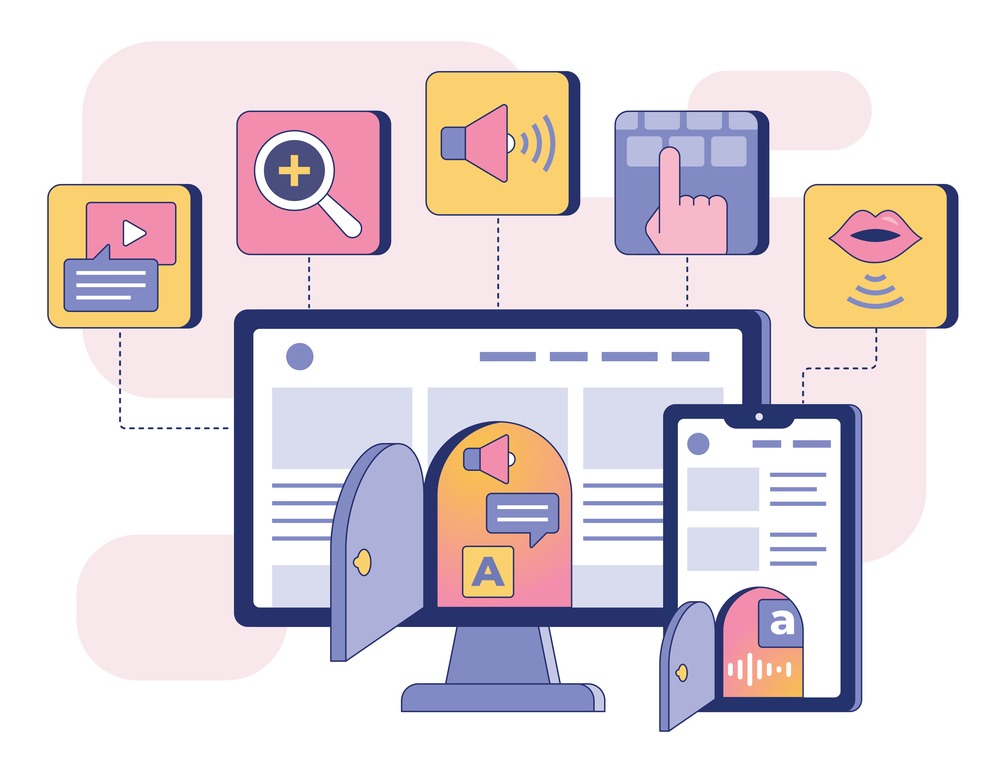
This colourful flat illustration depicts digital accessibility, a design of technology products or environments .

Accessibility Starts Before Design

Accessibility is often treated as a technical task:

  • add alt text,
  • build a ramp,
  • provide captions.

But before any of that happens, someone has already made a decision about who the experience is for.

A mindset for accessibility asks:

“Who might be excluded if we don’t think differently?”

That question alone changes behaviour — because it reframes accessibility as a design responsibility, not a fix applied later.

A person is holding a number 1 sign against a purple background.

Mindset Shift #1

From Compliance Thinking to Human Thinking

Compliance focuses on meeting minimum requirements.
The accessibility mindset focuses on people.

When organisations only aim to “tick the box,” accessibility becomes fragile, removed when budgets tighten, or timelines shrink. But when people understand why access matters, they protect it.

Human-centred thinking recognises that:

  • people process information differently,
  • environments affect participation,
  • and barriers are often unintentional.

Resources like DASAT.com.au help teams move from rule-based thinking to practical, people-first accessibility that works in the real world.

A person is holding a number 2 sign against a purple background.

Mindset Shift #2

From “Not Our Users” to “All Our Users”

A common barrier to accessibility is the belief that:

“People with disability are not our main audience.”

This mindset quietly limits inclusion.

In reality, accessibility improves experiences for:

  • older people,
  • people with temporary injuries,
  • people under stress or cognitive load,
  • people using different devices or environments.

When organisations see accessibility as something that benefits everyone, it becomes part of quality, not a niche consideration.
Person is holding the number 3 sign against a purple background.Mindset Shift #3

From Avoiding Mistakes to Learning in Public

Many people want to support accessibility but fear saying the wrong thing or doing it incorrectly.

That fear leads to silence — and silence creates exclusion.

An accessibility mindset accepts that:

  • learning is ongoing,
  • mistakes are part of progress,
  • listening matters more than perfection.

Engaging with lived experience, through conversations, feedback, or organisations like Meet AANDI, helps teams learn directly from people who navigate barriers every day. This builds confidence, not fear.

Mindset Shift #4

From One-Way Communication to Shared Understanding

True inclusion depends on communication — not just what we say, but how it is received.

This is where mindset meets neuroscience.

Our brains interpret information differently based on:

  • language,
  • prior experience,
  • cognitive load,
  • stress levels,
  • and sensory processing.

If communication is rushed, unclear, or assumed, people are excluded — especially people with disability.

A practical accessibility mindset uses Acknowledge, Clarify, Confirm (ACC):

  • Acknowledge what the person has said or needs,
  • Clarify understanding without assumptions,
  • Confirm next steps or shared meaning.

ACC slows communication just enough to ensure inclusion — without creating friction. It’s a simple shift with a powerful impact.


Understanding the Brain Changes Behaviour

This is where Peak Performance Development (PPD) becomes relevant.

PPD explores neuro-linguistic programming (NLP) and how the brain processes information, behaviour and communication. When teams understand how people interpret messages and environments, accessibility becomes intuitive rather than forced.

This mindset recognises that:

  • not everyone processes instructions the same way,
  • clarity reduces cognitive effort,
  • inclusive language improves engagement,
  • and confirmation builds trust.

By aligning accessibility with how the brain works, organisations reduce misunderstandings and improve participation for everyone, especially people with disability.

A person is holding the number 5 against a purple background.


Mindset Shift #5


From Ownership by One to Responsibility by All

Accessibility fails when it belongs to one role or one department.

A sustainable mindset says:

  • designers consider access from the start,
  • content creators write clearly and simply,
  • developers build with inclusion in mind,
  • leaders reinforce expectations and values.

When responsibility is shared, accessibility becomes part of daily work, not an afterthought.
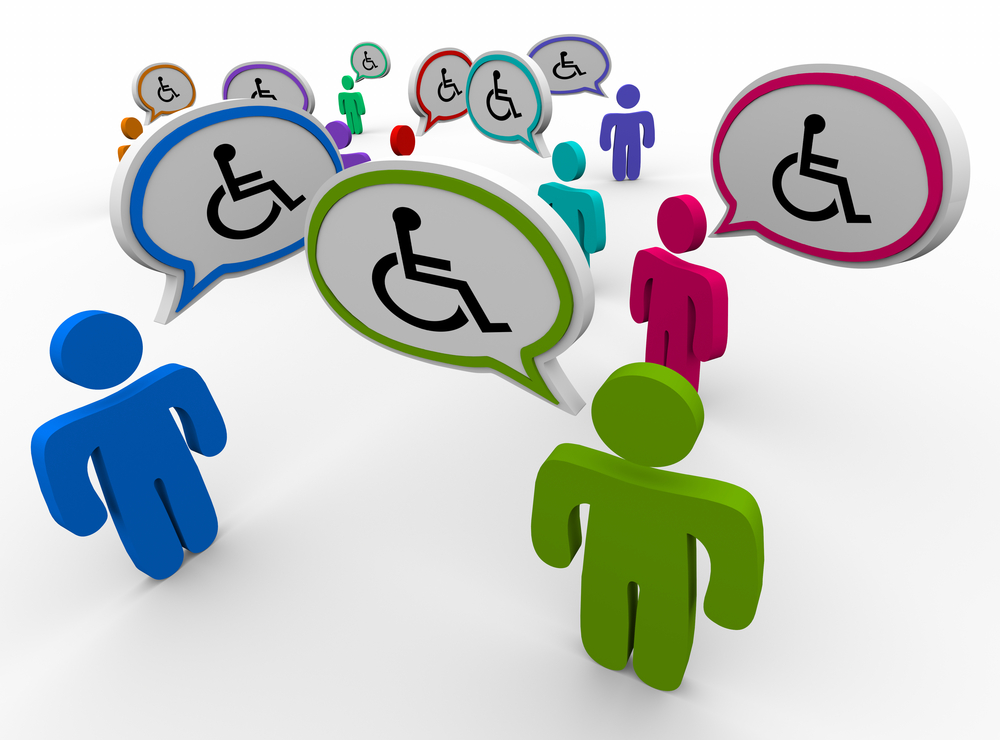
 

Emblems of people with disability and normal peo0le.

When the Mindset Changes, 

Culture Follows

Culture is simply repeated behaviour driven by belief.

When organisations shift their mindset to see accessibility as:

  • human-centred,
  • universal,
  • learnable,
  • brain-aware,
  • and shared,

digital access improves, physical spaces become more usable, and communication opens up to everyone.

That’s how accessibility stops being a project and starts being “how things are done.”


What small mindset shift could your organisation make today to remove a barrier someone else has been silently navigating?


The last piece is being put into the puzzle. The final thought.

One final thought

Assume disability is already in the room, even when you can’t see it.

That single shift changes everything.

When organisations stop treating disability as an exception and start treating it as an everyday reality, barriers begin to fall without anyone having to ask, disclose, or justify their needs.

It moves thinking:

  • from “If someone needs support, they’ll speak up”
    to “Our systems should work for people who can’t safely or easily speak up.”
  • from reactive adjustments
    to proactive, inclusive design
  • from placing the burden on individuals
    to taking responsibility as an organisation

Many people living with disability move through systems every day with resilience and adaptability. When we design as if they are already part of the experience, we remove barriers early and ensure dignity is built in from the start, not something that has to be asked for.