
Disability Is a Multi Billion Dollar Market


100 dollar notes signifying the true cost of disability spending power.

Why Are Brands Ignoring It?

Disability spending power!

Every business wants more customers. More loyalty. More profit.

Yet many brands overlook one of the largest consumer markets in Australia and around the world. The disability community and the people connected to it make up a powerful group of buyers who are still often ignored or misunderstood.

People with disability represent around 1 in 5 Australians. That means millions of everyday decisions that influence business success. When companies treat this group as invisible, they miss a major economic opportunity.

Money is being burnt.

Real Spending Power in Australia
People with disability and their households control a huge amount of spending power in Australia. According to the Australian Human Rights Commission paper (Missing Out Business Cast Customer Diversity 2017 ), people with disability had 54 billion dollars in spending power in 2017. That figure did not even include the spending power of families and carers.

This shows that disability is not a niche market. It is mainstream consumer power.

Globally, the disability market is worth trillions of dollars each year when families and carers are included. This is often called the disability dollar. It represents real customers making real choices every single day.

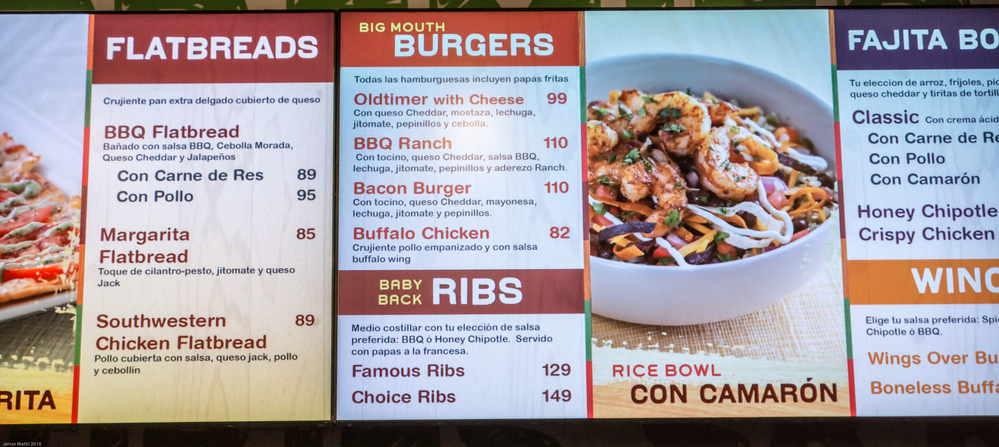
Digital fast food menu

One Bar Gets My Business

Let me give you a simple example.

In my local area, there is only one bar where I can independently order food and drinks without needing help. That venue is Portside Social.

Because they provide accessible ordering and an environment that works for me, I can go there and participate like any other customer.

What does that mean in practice?

It means when I am hosting friends, colleagues, or events, I choose that venue.

Not because it is the cheapest.
Not because it is trendy.
But because I can access it independently.

That is direct economic impact.

If another venue down the road invested in accessibility, they would share that business. But they do not. So they miss out.

This is how disability spending power works in real life. It is not theory. It is not charity. It is customer behaviour.

A man is holding a sign with the word, Action, on a tablet. A laptop is in the background.

Inclusive Beauty Helps Brands Grow

The same logic applies to product design.

Take ByStorm Beauty, an Australian company creating adaptive makeup grips. Their products help people who have difficulty holding traditional beauty tools due to limited strength or motor control.

By designing tools that work for more people, they opened their brand to new customers while also improving usability for everyone.

That is inclusive innovation driving revenue.
 

A lady is holding a sign that asks the question, "How can we help you?"

Designing Beauty That Works for All

Another strong example is the work being done by By Ninja, an Australian design studio focused on accessible product design.

By Ninja developed Accessible Beauty Product Design Guidelines to help beauty brands create packaging and products that are easier to use for people with low vision or blindness. Their work shows that accessibility can be built into product design from the start.

They also supported the launch of Australia’s first accessible luxury haircare range, with features like braille packaging and distinctive shapes that make products easier to identify without sight.

This kind of innovation does not limit a product. It expands the market.


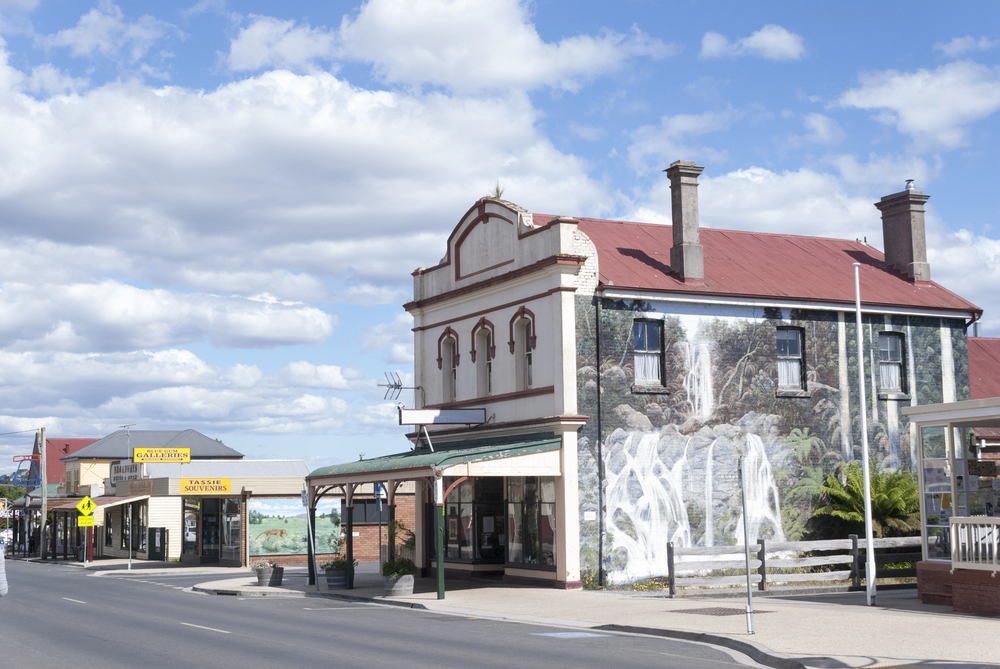
Small town in Regional Australia

What Brands Lose When They Ignore Disability
When businesses ignore accessibility, they lose:

  • Direct sales
  • Repeat customers
  • Group bookings and hosted events
  • Word of mouth referrals
  • Brand trust

My experience with Portside Social is proof. Accessibility builds loyalty. Loyalty builds revenue.

Many people with disability become loyal customers because accessible venues and brands are rare. When we find one that works, we support it.

That means repeat business. It means hosting events there. It means recommending it to others.

That is market share built on inclusion.

A series of coins are surrounded by a blue arrow.

Why Brands Still Hesitate

Some businesses avoid disability inclusion because they:

  • Fear saying the wrong thing
  • Do not know where to start
  • Think accessibility is expensive
  • See disability only through a support lens

But accessibility is not about charity. It is about customer experience.

When a website is inaccessible, a customer leaves.
When a venue cannot be navigated independently, a booking is lost.
When packaging cannot be read, the product stays on the shelf.

Those losses add up.

The word, Inclusion, is on the enter key of a keyboard. It encourages accessible communication.

Inclusion Is a Competitive Advantage

Inclusive brands stand out.

If two businesses offer similar products, but one is accessible and welcoming, customers will choose the one that works for them.

Accessibility also benefits:

  • Older customers
  • People with temporary injuries
  • Parents juggling children
  • Customers using mobile phones
  • Anyone who values ease and clarity

Inclusion improves usability for everyone.

A bubble man is running in front of an arrow that is pointing to the right. The words on the arrow are, "Do It."My Final Thoughts

The disability market in Australia is worth billions. The Australian Human Rights Commission reported 54 billion dollars in spending power in 2017 alone. That number has only grown.

Brands that ignore disability are not just excluding people.
They are excluding profit.

The example of Portside Social shows how one accessible business can gain consistent loyalty. The work of inclusive brands in beauty shows how product innovation can unlock new customers.

The opportunity is clear.

The question is simple.

If accessibility drives loyalty, revenue, and reputation, why would any brand choose to ignore it? 

Call us to add accessibility to your grand.