The Human side of Accessible Live Events


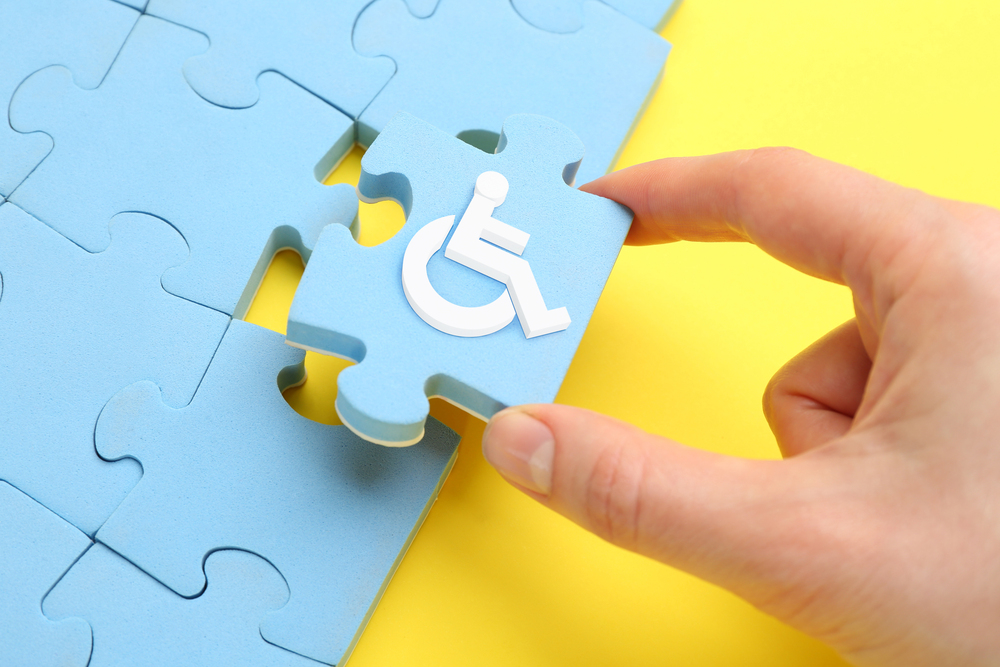
Woman putting light blue puzzle with international symbol of disability. This signifies digital inclusion and accessible live events.

Behind the Scenes.

Accessible live events are the future.

Going to a live performance is a great experience. The lights go up, the music begins, and everyone gets to enjoy the show. Except for many people with disability such as those with severe vision impairment, hearing impairment or others who experience sensory overload. Live performances can be made accessible however, there is a lot of planning, and practicing that needs to be done before the show opens to ensure accessibility. Accessibility is more than equipment and seats. It is about people with lived experience being seen, heard and welcomed.

I love going to shows.  However, when I lost my sight, I thought that this part of my life was over. How wrong was I?  I found audio description and shows that cater to people with disability.

Drawings of people with different disabilities. The theme is disability inclusion.

Who Does the Accessibility Work?
Accessibility at live events happens because people put lived experience at the centre. This can include:

Event producers and coordinators who plan accessible seating, entry points, quiet spaces, audio-description, sign interpreters, captioning, relaxed performances and more.

Venue staff trained in disability awareness. They help show patrons where tactile guides, or quiet spaces are located, and how to use assistive listening devices.

Access consultants and partners who bring deep lived experience to the planning process. They advise on sensory needs for people who are neurodivergent or have sensory processing differences, help create relaxed performances and shape communication materials so they are easy to understand.

AusLan interpreters and trained describers who know how to bring the show alive for people with hearing and vision impairments.

Volunteers and accessibility workers who stand with audience members, provide direction and support, and ensure everyone can enjoy the event from arrival to departure.

At its best, accessibility planning is done with people with disability, not for them. This means people with sensory sensitivities, vision impairment or hearing loss have a voice in how shows are delivered.

Street sign with 5 pointers. The words, where, what, when, how and who are on the pointers.

What does it look like?

For someone who is blind or has low vision, a live show that uses detailed backgrounds or costumes can be off limits. That changes when audio description is offered. This is a trained describer speaking quietly through a headset to paint the picture of what is happening on the stage, so audiences can hear what is happening in real time. Some major venues in Brisbane now offer this service for selected shows. (Queensland Theatre Company)

People who are deaf or have hearing loss often rely on Auslan interpretation or assistive listening devices so they can follow dialogue, music and sound cues. Auslan interpreters work on stage alongside performers to translate dialogue and lyrics for Deaf audience members.

For people with autism or sensory overload triggers, relaxed performances are transforming the theatre going experience. These shows have adjusted sound and lighting, clear visual cues for transitions, and spaces where people can take a break if the performance becomes overwhelming. Brisbane Lord Mayor’s Christmas Carols, in the past, have delivered relaxed performances in partnership with disability groups, adjusting houses lights, reducing noise, offering sensory tools and quiet areas before and during the show.

These changes are not just technical adjustments. They signal that every audience member belongs. They make it possible for people with disability to attend a show without fear of judgment or exclusion.

Photo of Jack Russel dog looking through a magnifying glass.

Brisbane: A closer look.

In Brisbane, companies and venues are stepping up to make live events more inclusive.
The Little Red Company is one of the Queensland performing arts and event management companies bringing performance to life in social, cultural and festival settings. Their work in coordination and logistics touches all aspects of live events. When accessibility is part of planning from the start, it becomes a seamless part of the experience for everyone.

Queensland Performing Arts Centre in South Brisbane has an established program of accessible services. They offer audio described and Auslan interpreted performances, relaxed performances geared to audiences with sensory needs, tactile tours and booking support for assistive listening devices. (Queensland Performing Arts Centre (QPAC))

QPAC also takes part in programs like the Hidden Disabilities Sunflower initiative to help patrons with non-visible disabilities signal that they may need assistance or time as they enter and move around the venue.

Across Queensland there are also community arts organisations focused on disability inclusion in the arts. These groups work alongside performance companies to strengthen the sector so that more artists and audiences with disability can participate fully.
 

Group of people using smartphones. Digital Accessibility Benefits everyone.

What Audiences Say: Accessible Live Events

People with disability often describe a deep emotional response when they find a performance that really works for them. For a parent of a child with autism, a relaxed performance can mean joy and gratitude because their child finally feels safe to enjoy theatre without anxiety. For someone who is blind, having audio description can turn a show from a blur into a vivid, shared journey. These experiences remind us that accessibility is human first.


How to make digital communication kinder? A green question mark with the sun image at the base.

Why It Matters

Accessible live events matter because art should be shared. Accessible shows give people with disability the same opportunity to be moved, entertained, inspired and connected as everyone else. They are events where creative work is balanced with care, understanding and respect.

When producers, venues, performers and communities work together, accessibility stops being an afterthought and becomes part of the heartbeat of live performance. That is when the magic truly belongs to all of us.