
Disability inclusion and accessibility


Drawings of people with different disabilities.  The theme is disability inclusion.

Why mindset matters for a happier society.

Disability inclusion and accessibility are regularly treated as technical problems to solve, or worse, as issues that cannot realistically be fixed. Too often, people with disabilities are expected to simply “put up with it” or “get over it”. This way of thinking limits progress and places the load on individuals instead of on systems that were never designed with everyone in mind.

Adding a ramp. Updating a website. Providing a reasonable adjustment. These actions matter, and they are legally required, but they are not enough on their own. Real inclusion begins with a change in mindset about how society views disability and how systems, services, and environments are designed to work for people.

Accessibility is not a one-off job or a compliance project. It is an ongoing way of thinking that affects how information is shared, how spaces are built, and how people are treated. When accessibility becomes part of everyday practice rather than a last-minute fix, society becomes easier to navigate, fairer to live in, and better for everyone.

People using Digital Accessibility reduces Isolation, Creates Connections

Disability is part of everyday life
Disability is not rare, and it is not limited to a small group of people. Many people are born with disability, while others acquire it through illness, injury, or ageing. In Australia, according to the Australian Institute of Health and Welfare, there are 4.4 million people with disability, representing approximately 18 per cent of the population. At some point in life, most people will experience reduced vision, hearing loss, limited mobility, chronic pain, or cognitive changes, even if only temporarily.

Despite this, many systems and buildings are still designed for people who can see, hear, move, and process information in one way. That ensures that exclusion is built in by default. People are left struggling to access information, services, employment, and community life, not because they lack ability, but because the environment does not support them.

When systems are flexible, more people can participate independently and with confidence. This benefits not only people with disability, but also parents with prams, older Australians, people using mobile devices, and anyone dealing with fatigue, stress, injury, or changing health. Accessibility is not a niche issue. It is a societal issue.

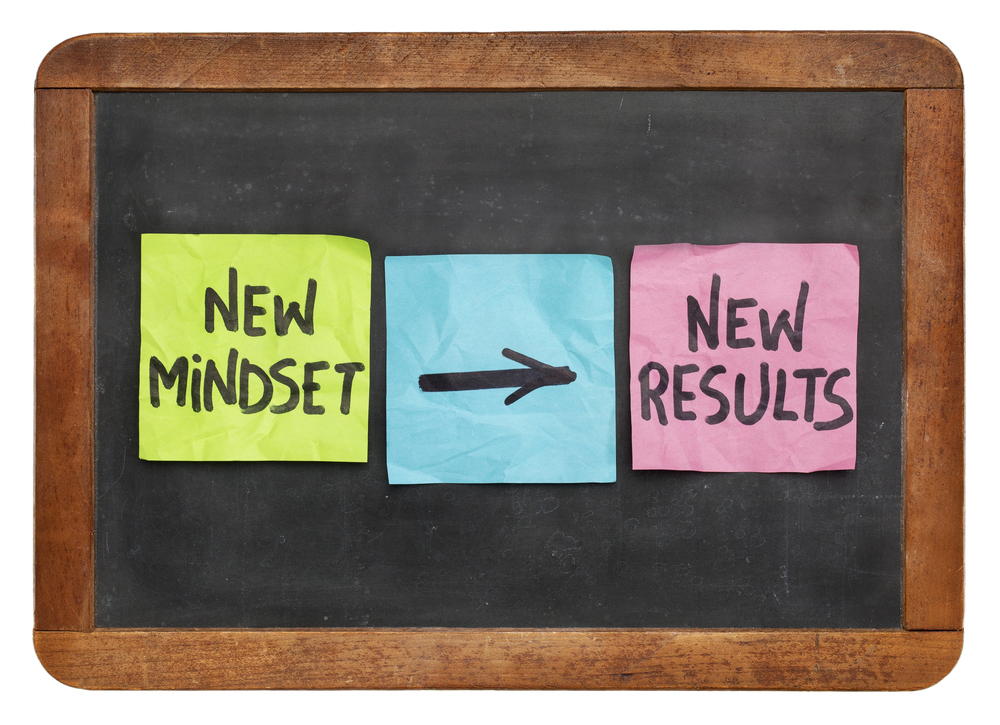
Three sticky notes are on a blackboard. The first sticky note reads, New Mindset. The second sticky note has an arrow pointing to the third sticky note which reads new results.

Moving beyond compliance thinking

A common barrier to real inclusion is the belief that accessibility is only about meeting rules or avoiding complaints. This mindset often leads to minimal solutions that technically meet requirements but do not genuinely improve the experience for users. It can also create the false impression that accessibility is expensive, complex, or optional.

In practice, many accessibility improvements are simple, easily implemented and cost-effective when designed and implemented early. Clear navigation, readable text, meaningful headings, and plain English all improve usability. Strong colour contrast helps people with low vision, but it also helps users reading screens in bright sunlight or on small devices. Captions support people who are Deaf or hard of hearing, and help people watching videos in noisy environments or without sound.

Good accessibility is often just good design. When organisations understand this, accessibility stops feeling like “another job to do” and becomes common sense. It becomes part of quality, not an extra layer added under pressure.

How to make digital communication kinder? A green question mark with the sun image at the base.

Ask people what

works for them

One of the most effective accessibility tools is also the simplest: asking the right question. Disability is not a single experience, and there is no universal solution that works for everyone. Even people with the same disability may have very different needs, preferences, and ways of accessing information.

Instead of guessing someone’s requirements, asking “How would you like this information?” creates space for choice, control, and independence. Some people prefer written information they can read in their own time. Others may need audio, video, or a conversation. Giving people options reduces frustration and removes unnecessary barriers.

This approach also shifts the power dynamic. Rather than making assumptions or decisions on behalf of someone, it respects their knowledge of their own needs. It acknowledges that people with disability are experts in their own experience, even if they are not expected to speak for everyone else.
 

The words, Core Values, are written on a whiteboard in red.

Inclusion as an everyday practice

True inclusion is not something that lives only in policy documents or strategy plans. It shows up every day. It is reflected in how staff speak to customers, how workplaces are laid out, how meetings are run, and how digital content is created and shared.

Inclusion also means not assuming incompetence or inability. People with disabilities are often underestimated or spoken to differently. This can be frustrating, disempowering and disrespectful. Treating people with respect, listening carefully, and making reasonable adjustments should be normal practice, not a special favour.

Importantly, inclusion requires ongoing learning. No environment will ever be perfectly accessible for everyone. People’s needs change. Technology changes. People change. An inclusive mindset accepts this and focuses on continuous improvement rather than perfection. Trying, listening, and improving is far more valuable than claiming to have everything “sorted” or “perfect”.


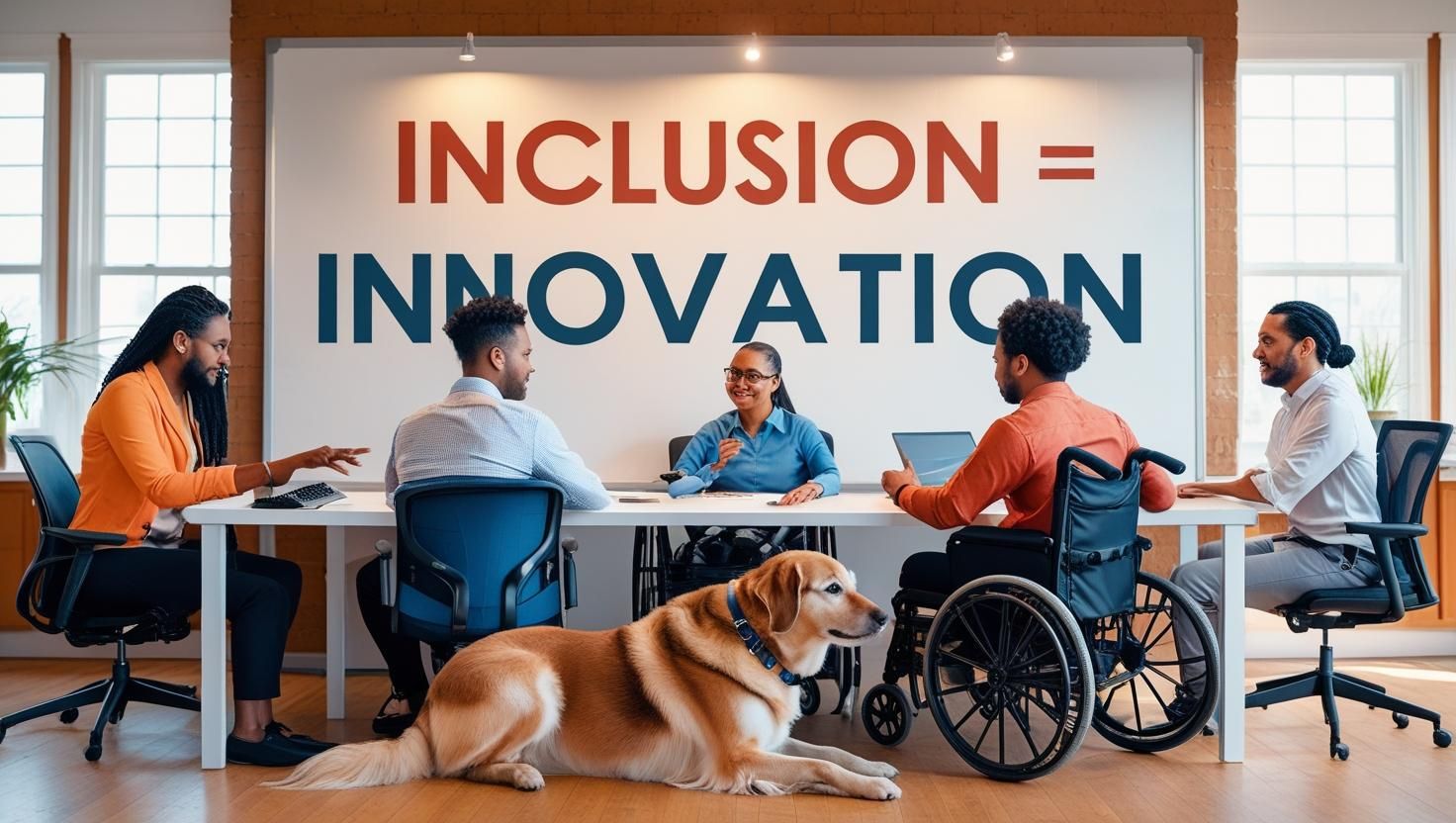
Inclusion = Innovation is written on a whiteboard. Three people with disability are sitting at a table with a guide dog on the floor.

A happier society benefits everyone

When people with disability can access information, services, education, work, and community life, the benefits ripple outward. Individuals experience greater independence and confidence. Families experience less stress. Workplaces benefit from diverse perspectives and skills. Communities become stronger when more people are able to participate fully.

A society that values disability inclusion and accessibility is not just more equitable, it is happier. People spend less time fighting barriers and more time living their lives. Frustration is reduced. Trust grows. Connection increases.

Disability inclusion and accessibility are not about special treatment. They are about thoughtful design, respectful communication, and a willingness to listen and learn. Shifting the mindset from “What do we have to do?” to “How can we do better?” is where real change begins. And that shift benefits everyone.