Accessible Digital Tools Help People with Disability Travel

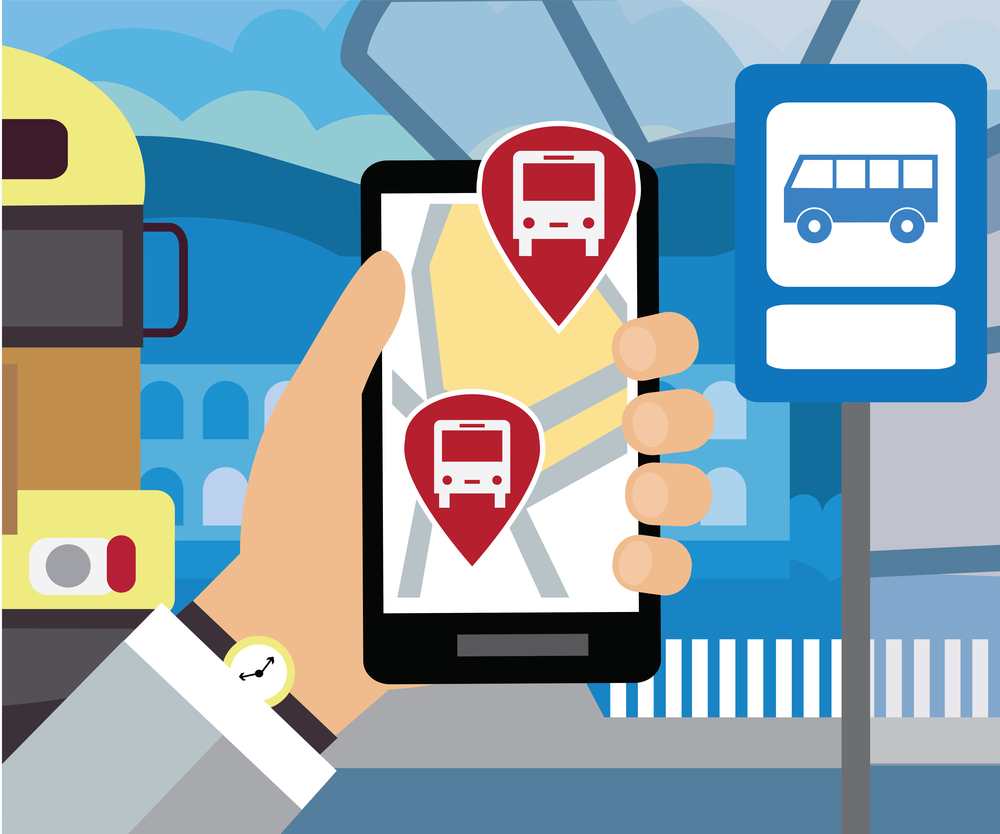
Accessible Digital Tools on a mobile phones is being held up by a person standing beside a bus stop.

 Accessible Digital Tools and public transport.

People with disability are heavy users of public transport throughout Australia.  However, there are many regions and have little or no public transport. Public transport is mainly in large regional and urban areas.  Some regional areas do have some public transport however, people with disability mostly rely on family and friends. What tools do people with disability use to help them use public transport efficiently.

Using public transport can be challenging when the information you need isn’t accessible. Digital tools make a huge difference by giving people with disability more independence, confidence and control. Australia’s transport systems are also improving how they deliver accessible information. Here’s a simple guide to the some commonly used digital assistive tools, how they work and why they matter.
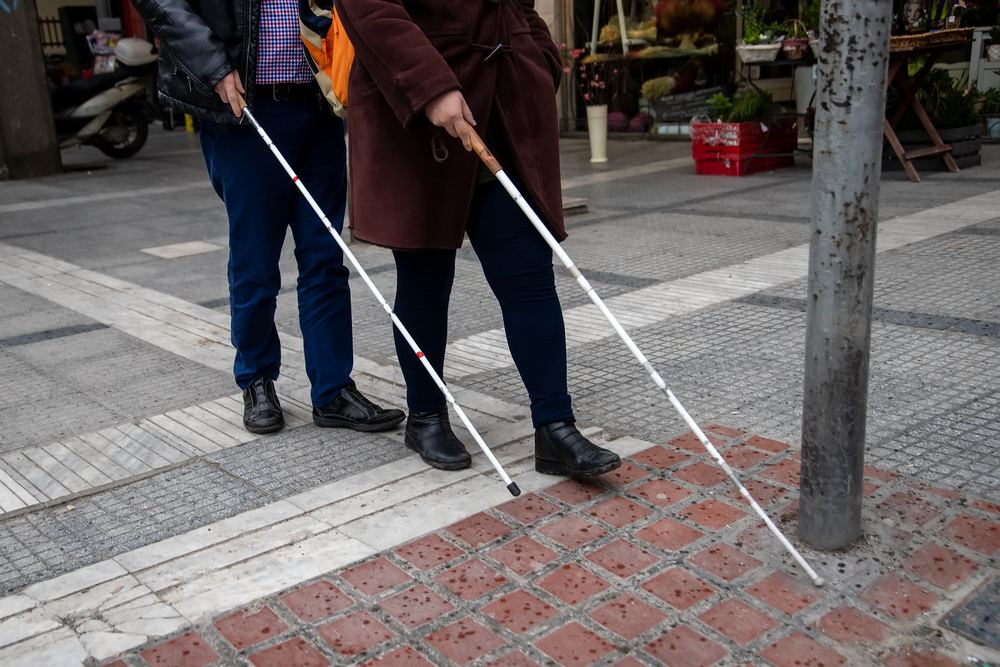
Blind people using a white cane bridging the gap.

Tools for Blind and Low-Vision

Blind and low-vision travellers rely heavily on apps that offer strong audio guidance and screen-reader compatibility. Google Maps and Apple Maps are widely used for planning trips, getting turn-by-turn directions, and receiving real-time service updates. Both work well with VoiceOver and TalkBack.

NextThere is popular across Australia because it opens straight to the nearest stop and shows the next few services. It behaves like a pocket timetable board, which is helpful when locating signage or screens is difficult.

BlindSquare and Microsoft Soundscape add an extra layer of safety. BlindSquare announces nearby bus stops, platforms, and intersections. Soundscape uses 3D audio beacons to help travellers build a mental map, which is useful in crowded interchanges or unfamiliar streets.

For live visual assistance, Aira and Be My Eyes connect passengers to trained agents or volunteers. They can describe signage, confirm bus numbers, or help find a platform when the environment is confusing.


Two ladies sitting at a table with coffees. One lady is in a wheelchair.

Tools for Wheelchair Users and People with Mobility Disabilities
For wheelchair users, accessible route planning is essential. Google Maps offers a wheelchair-accessible route filter in many areas, which identifies step-free stations and paths where available. Moovit and NextThere provide real-time arrival information, which reduces waiting time at stops and helps plan safe transfers.

Crowd-sourced apps like Wheelmap and AccessNow help travellers check the accessibility of stations, footpaths, public toilets, and surrounding streets. This is important because the “whole journey” matters — not just the train, bus, or tram itself.

If a journey isn’t accessible, ride-hail options such as Uber Assist, 13cabs, or Silver Service provide door-to-door accessible travel.


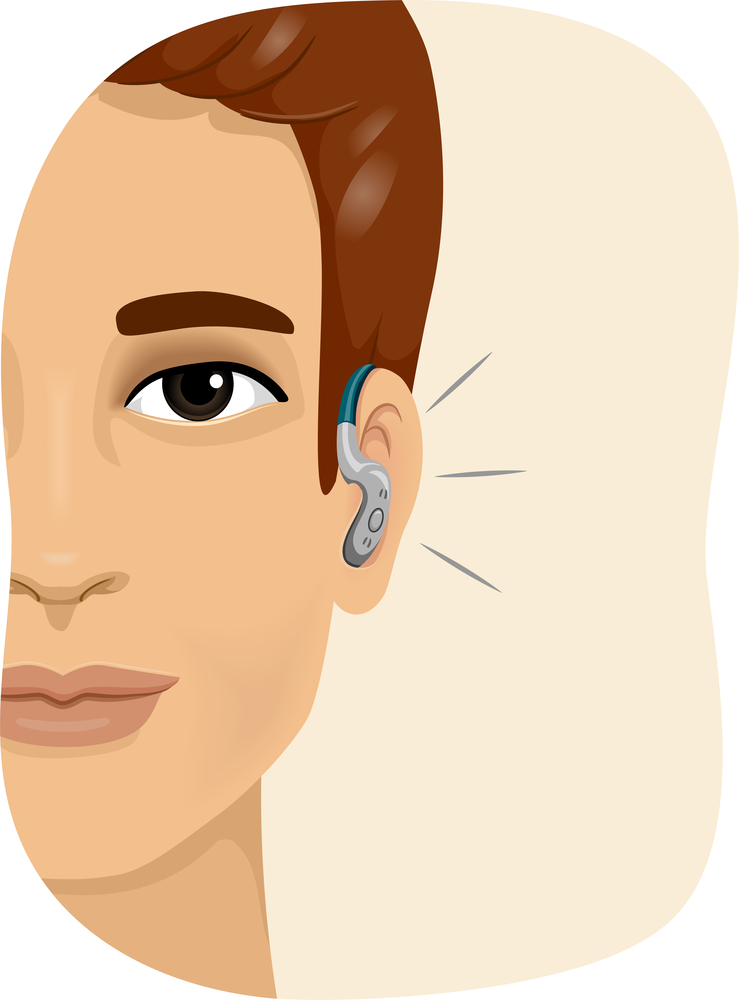
Illustration of a Smiling Man Wearing a Hearing Aid

Tools for Deaf and Hard-of-Hearing Travellers

Travellers who are Deaf or hard of hearing often miss audio announcements. Mapping apps like Google Maps and Apple Maps help by displaying text-based service alerts and live disruption information.

State transport authorities also provide written service alerts:

Built-in phone features such as Live Caption and Sound Recognition can also alert users to alarms or important environmental sounds.


Autism spectrum disorder. Words in the middle are Autism Spectrum Disorder. Around the outsidse is Motor Difficulties, Repetitive Behaviour, sensitivity to change and stimulation and social implements

Tools for Autistic Travellers and People with Cognitive Disabilities

Clear, predictable information helps reduce stress for travellers with cognitive disabilities. Google Maps offers a step-by-step mode that breaks journeys into manageable parts, including vibration cues.

Moovit is also helpful because it focuses on one screen at a time and gives clear instructions for each stage of the trip. Many travellers use their phone’s notes or reminders to save platform numbers, meeting points, or instructions given by support workers.

Transport websites in each state include accessibility sections that explain station layouts, lift locations, and boarding points. Pre-checking these can reduce anxiety and uncertainty.


Inclusion = Innovation is written on a whiteboard. Three people with disability are sitting at a table with a guide dog on the floor.

Emerging Apps and Tools

Several new apps are being trialled or developed to improve accessibility in Australia:

  • Hailo – Lets passengers notify bus drivers of their needs before arrival, including ramps or extra boarding time. This creates a smoother, more predictable boarding experience.

  • See Me – Alerts bus drivers when a visually impaired passenger is waiting. The app provides spoken, visual, and haptic notifications for safe boarding.

  • Ability Heroes – Crowd-sourced accessibility mapping of transport stops, ramps, and toilets to help plan the whole journey.

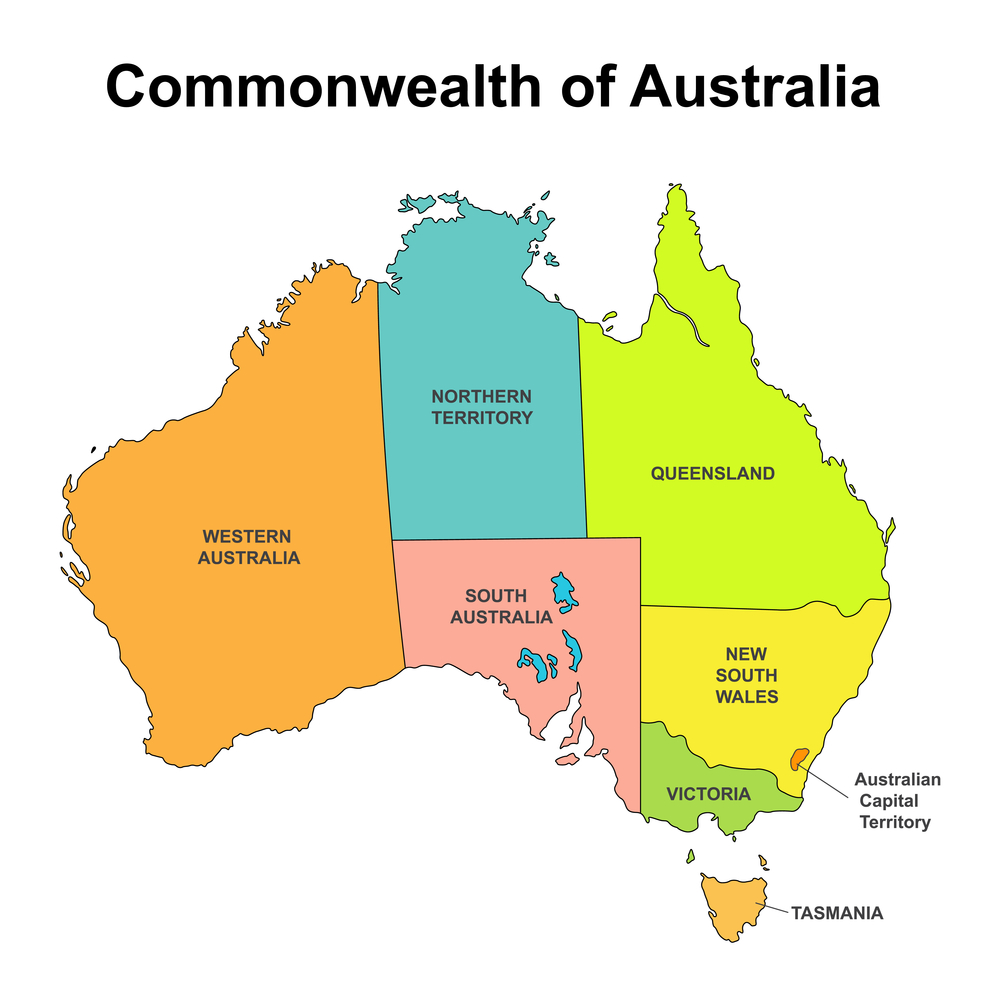
Map of Australia showing all states and territories in different colours.

What Australian Transport Systems Are Doing

Transport agencies across Australia are improving accessibility:

  • Transport for NSW continues to upgrade stations and interchanges and has trialled partnerships with services like Aira.

  • Victoria’s Accessible Public Transport Action Plan guides improvements, including information upgrades and physical accessibility works.

  • Queensland’s TransLink is rolling out smart ticketing and improved digital alerts.

  • Many bus and ferry operators publish their own accessibility action plans to support passengers with disability.

These initiatives aim to support “whole trip” accessibility — from planning to travel to arrival.

Time To travel Sign pointing right

Why These Tools Matterion Tools Fail

Digital assistive tools help people with disability travel independently and safely. They reduce the need to ask for help, cut waiting times, support orientation, and make the whole trip easier to manage. When combined with the accessibility upgrades happening across Australia, public transport becomes more usable and predictable for everyone.

For more information and tips on improving digital accessibility, see our Digital Accessibility Guide. You can also explore our Assistive Technology Tools page for more helpful resources.